
Allergies Respond to Acupuncture
Experiencing seasonal allergies can include symptoms that range from mild annoyance to an all-out struggle. Add in other allergies from airborne VOCs (volatile organic compounds) like mold or even living allergens like dust mites and searching for relief can become a desperation.
Common symptoms of allergies include:
- Sneezing
- Itchy, runny or blocked nose (allergic rhinitis)
- Itchy, red, watering eyes (conjunctivitis)
- Wheezing
- Cough
- Raised, itchy, red rashes (hives)
- Swollen lips, tongue, eyes or face
Conventional medicine prescribes a wide variety of oral and nasal allergy remedies. These could help allergy symptoms but are often a temporary fix and some may include uncomfortable side effects. However, in the last decade alone studies have shown promising science of how allergies respond to acupuncture. This is an all-natural approach that works with the body’s own healing mechanisms to stop symptoms and get to the root of the cause.
Even though modern medicine cannot locate the exact process of how acupuncture works, continued beneficial responses validate the results. Therefore, conventional medicine has integrated acupuncture treatment for all kinds of allergies (and many other conditions) into hospital and clinical settings across the globe.
Explore a new way to approach healing allergy symptoms and possibly minimizing or even eliminating future allergy flare-ups through acupuncture treatment.
Accumulate and Evaluate
In most naturopathic medicine applications, there is an ‘accumulation period’. This basically means that using such treatments as botanical medicine, nutraceuticals, homeopathy, clinical nutrition, and acupuncture usually requires a “building up” of energy or compounds (or both) to achieve optimal effects.
The accumulation period allows the system to acclimate to healing. It may have taken some time for the body to respond to allergies and create a ‘crisis mode’ to constantly fire the immune system to deal with allergens. An acupuncture protocol of one to two times per week for six to eight weeks may be recommended so a transference of energy can begin. This transference of energy is how acupuncture releases stuck or stagnant energy that may be impeding a more robust response to allergens. However, the term “energy” as a mechanism is not considered a valid, scientific application.
This is one example of how medical science explains acupuncture for allergies. A 2022 study of the effects of acupuncture as reported using the Rhinitis Quality of Life Questionnaire (RQLQ), which was published in the European Archives of Oto-Rhino-Laryngology, it was stated that,
“One might speculate that the anti-inflammatory effect of acupuncture is of clinical relevance, as it was accompanied by a statistically significant improvement in the nasal symptom score of RQLQ, which was only experienced by patients receiving acupuncture.” (1)
Another study by researchers from the Metropolitan Hospital, Athens, Greece which was published in the Journal of Clinical & Experimental Neuroimmunology confirms the benefits of acupuncture for allergies, stating,
“Given the clinical efficacy and safety of acupuncture treatment, as well as its multiplicity of therapeutic pathways for allergic rhinitis, it should be part of the armamentarium of each physician treating patients with this condition.” (2)
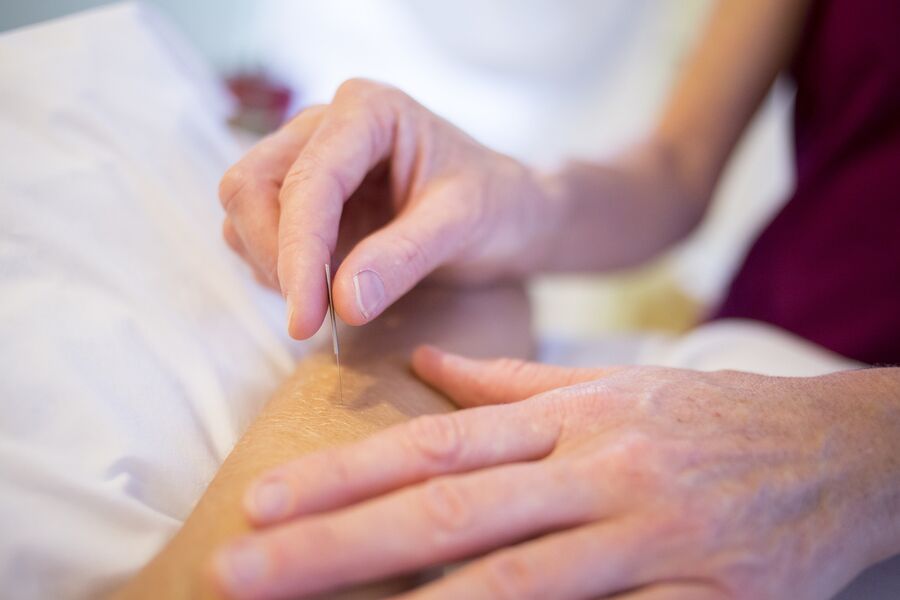
It is rare when modern science can study an ancient practice and substantiate its ability to heal. Once the body becomes primed to accept the manipulation of energy through minimal insertion of tiny, painless, safe, sterile, hair-thin acupuncture needles along specific pathways (meridians), some impressive reparative effects can occur.
 Acupuncture Beats Drugs for Hives
Hives are another symptom of allergies that are not only related to seasonal outbreaks but other possible allergens as well, such as off-gassing VOCs from a new couch, carpet, or paint job. Hives can be very itchy which if untreated can be ruptured causing the potential for infection and a larger skin compromise.
Acupuncture for hives was studied in comparison to a common pharmaceutical in a study reported by Health Cmi which stated,
“Acupuncture outperforms loratadine for the treatment of chronic urticaria (hives). In research conducted at the First Affiliated Hospital of Heilongjiang University of Chinese Medicine, acupuncture plus moxibustion [a form of therapy that entails the burning of mugwort leaves] produced an 89.66% total effective rate. Drug therapy using loratadine (an antihistamine) produced a 72.41% total effective rate. The results were measured with urticaria severity scores, indices of life quality, and serum levels of bio-indicators at the completion of all medical treatments.” (3)
Point of Relief
A licensed acupuncturist will assess a variety of clues that will indicate the proper treatment protocol. This can include inspecting the tongue, eyes, skin, and eight different pulses. Although treatment is individually structured to each person, these are common acupuncture points that may be included as defined by Acupuncture (4):
- Large Intestine – LI11 – Quchi (English translation: Pool at the Crook) – With the elbow flexed, the point is on the outside crease
- Gall Bladder – GB20 – Fengchi (English translation: Wind Pool) – On the rear upper neck, just below the back of the skull
- Large Intestine – LI4 – Binao (English translation: Upper Arm) – Side of the outer middle bicep
- Conception Vessel – CV17 – Tanzhong (English translation: Chest Center ) – Center of the chest
- Stomach – ST25 – Tianshu (English translation: Celestial Pivot) – On the middle of the abdomen, just to the side of the belly button (umbilicus).
- Liver – LV3 – Taichong (English translation: Great Surge) – Top of the foot below the big toe
- Spleen – SP10 – Xuehai (English translation: Sea of Blood) – When the knee is flexed, on the medial (inside) aspect of the upper thigh.
- Stomach – ST36 – Zusanli (English translation: Leg Three Miles) – On the front of the shin, below the knee.
- Spleen – SP6 – Sanyinjiao (English translation: Three Yin Intersection) – Above the inside ankle
At Integrative Med Solutions, we will design an allergy acupuncture program that works for you. In many cases, insurance covers portions of the treatment. Allow us to support you to achieve optimal health. To make an appointment or find out more about how acupuncture and naturopathic medicine can benefit you, please call our office at 914-337-2980 or Click Here to schedule an online appointment.
*Please Click Here to see a current list of insurance companies that commonly carry acupuncture benefits for its members. For more info, please call 914-337-2980 or securely email us at info@intmedsolutions.com.
Best in health from Integrative Med Solutions.
Sources:
(1) https://www.omicsonline.org/open-access/acupuncture-treatment-for-allergic-rhinitis-why-should-physicians-recommend-it.php?aid=91235
(2) https://www.healthcmi.com/Acupuncture-Continuing-Education-News/2022-acupuncture-beats-drugs-for-hives
(3) https://www.healthcmi.com/Acupuncture-Continuing-Education-News/2022-acupuncture-beats-drugs-for-hives
(4) http://www.acupuncture.com/education/points/index.htm