
Acupuncture and Classical Chinese Medicine: Fall Newsletter 2025
“Autumn carries more gold in its pocket than all the other seasons.”
~ Jim Bishop
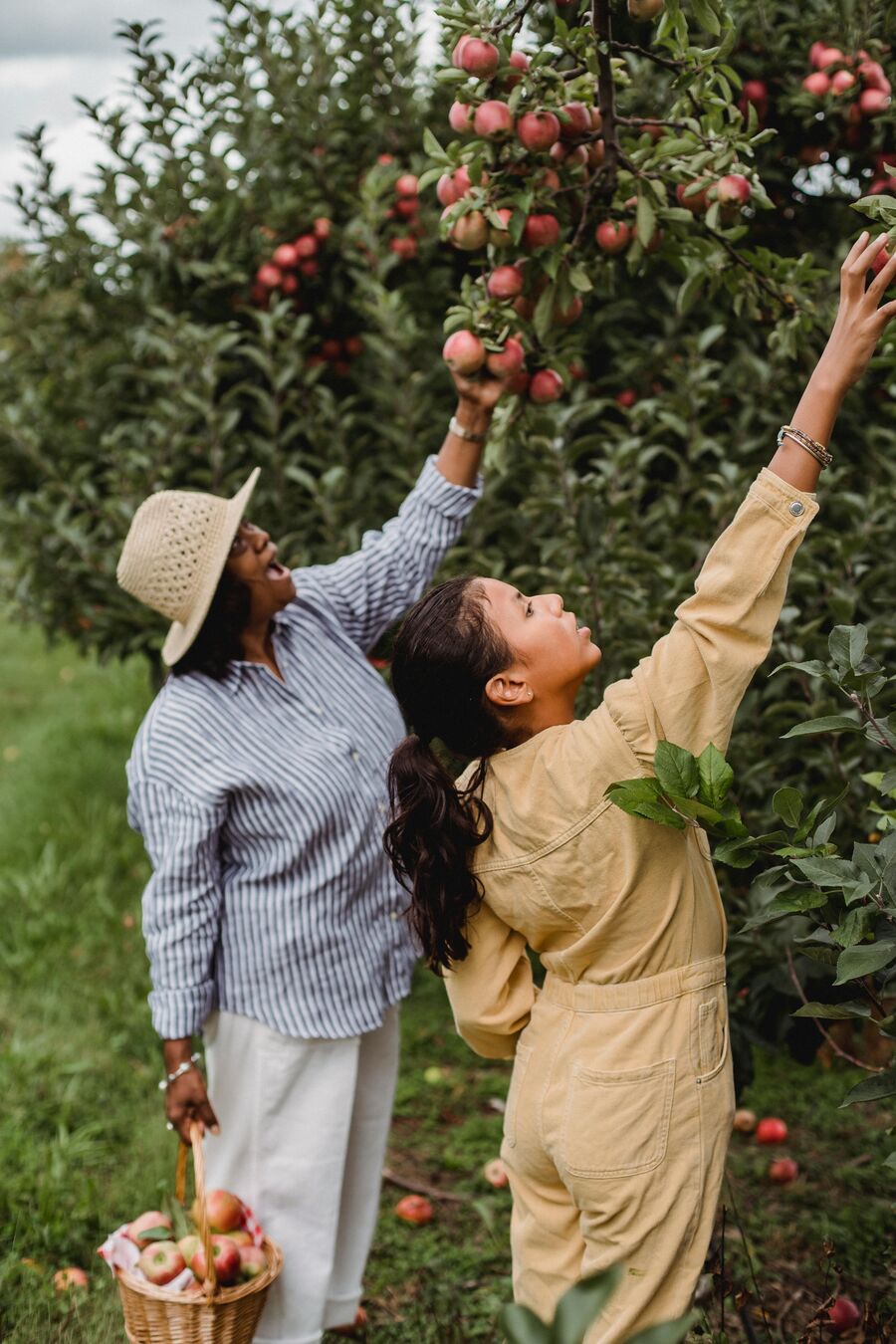
In the Northeast, that crisp, clean, brisk air is upon us as Fall 2025 saunters in like a lumberjack in red and black plaid. The dramatic change from summer to fall brings with it a veritable ‘naturopathic medicine chest’ of remedies, able to engage, envelope and enhance one’s health on many levels. Get your gourd on and dive into our Acupuncture and Classical Chinese Medicine Integrative Med Solutions Fall Newsletter 2025 which embraces how Classical Chinese Medicine (CCM) can help guide a unique approach to nature’s descent from expansive summer energy into the contraction of fall.
Fall is about focusing on ‘refinement’ and ‘letting go’ by practicing self-repair, inner-reflection and navigating emotional levels. Dr. Fred Lisanti at IMS utilizes naturopathic medicine and acupuncture applications through the CCM teachings of the Huangdi Neijing aka The Yellow Emperor’s Classic of Internal Medicine. Using this ancient guide, a fall protocol of acupuncture, clinical nutrition, nutraceutical supplementations, botanical medicine and detoxification can be utilized. In this newsletter, one can peruse some ways to integrate such a protocol thus enhancing the fall season experience while preparing for challenges that may occur during winter. It is an approach that conventional medicine rarely embraces, but can be used as an adjunct to such. Either way, make this autumn season be a new path toward a healthy enlightenment which may have otherwise never been considered.
Heavy Metal
As fall begins to emerge, so does the dominant shift of the Five Phases (Wu Xing). The phase of fall is metal. The total five phases are:
- Fire
- Earth
- Metal
- Water
- Wood
*Note: A good way to remember these is by using the acronym, ‘FEMWaWoo’
Summer begins with Fire and ends with the late summer phase of Earth, modulating from heat and transformation to stability and grounding. Once this stability and grounding is established, the stage is set for the next transitioning into Metal for autumn. Metal requires a quiet reserve that can organize and store for optimal applications, particularly when it comes to the associated organs of fall: Lungs and Large Intestine. According to the International College of Oriental Medicine (ICOM), a person dominant in the metal element is described as such:
“Metal people like definition, structure and discipline; they seek to live according to reason and principle…often choose official duties and tend to be surrounded by an aura of sadness, often seeming close to tears…Metal type people arrange their lives for the purpose of avoiding risks and the vagaries of passion. They can become possessive, acquisitive, and domineering in an effort to control their environment.”
Keeping the association of metal balanced during fall means recognizing the imbalances and helping fix those. Here are some clues:
- Metal imbalance symptoms: Asthma, constipation, weak ligaments, joint pain, low libido.
- Metal balancing initiatives: Avoid dairy, oranges, peanuts and bananas. Practice a passion (i.e.: instrument, sport, cooking, creative arts, etc.). Be spontaneous and social. Apply naturopathic remedies and acupuncture for strengthening.
Tune In and Tune Up with Fall Acupuncture Applications
 To try acupuncture doesn’t always require an injury. Seasonal change is a great opportunity to prime the body and mind through acupuncture. Using this 4000+ year old modality, particularly when it comes to sunlight transformation, can often yield a high vibration result. The change of sunlight from summer into fall can especially be taxing on the human system. Throughout peak summer days, one can benefit from upwards of sixteen hours of light. This amount of light can boost serotonin and endorphin levels, hormones responsible for enhancing mood and maintaining calm. It also raises vitamin D3 levels which many people are deficient in as the sun is a major factor in D3 production. D3 also enhances mood. These are some of the many reasons why people often seem happier in the summer. However, when the light begins to diminish during fall a medically diagnosed condition, aptly called SAD, can occur. SAD stands for ‘Seasonal Affective Disorder’ and is the body’s response, in some, to drastic change of daylight. This is why some may feel, “the blues” during this seasonal change with even others falling into a full- blown depression.
Acupuncture and naturopathic medicine have been known to help SAD symptoms. Interestingly, if one does not want to go off medication for depressive symptoms linked to SAD, acupuncture has shown to be a beneficial adjunct alongside applicable pharmaceuticals. In a systematic review and meta‐analysis titled, ‘Efficacy and Safety of Acupuncture for Depression’ published by Wiley Research in Nursing & Health, it was stated that:
“Acupuncture, either in isolation or as an adjunction to pharmacological treatment, has clinical benefits and could be considered a safe option for managing depression if qualified practitioners perform the intervention.”
Another health compromise that some may experience during fall, particularly the beginning when retreating flora begin to release spores and mold, is allergic reactions. Referred to in conventional medicine as ‘allergic rhinitis’, symptoms can range from a runny nose and slight cough to severe respiratory challenges as well as deep lethargy. Acupuncture addresses these symptoms while also helping boost the immune system to keep such symptoms at bay. A 2025 protocol study published in the medical journal ‘Frontiers Allergy’ titled, ‘Clinical Efficacy on Acupuncture for Perennial Allergic Rhinitis: A Study Protocol for a Randomized Clinical Trial’ describes some different acupuncture approaches to fall created allergic rhinitis, stating:
“The mechanism of acupuncture treatment for allergic rhinitis is still unclear, but studies suggest it may involve the following aspects:
(1) Neuromodulation: Stimulation of specific acupoints may modulate both sympathetic and parasympathetic nervous system activity, potentially reducing nasal inflammation, congestion, and hypersecretion.
(2) Immunomodulation: Acupuncture may suppress inflammatory mediators and help restore Th1/Th2 immune balance, potentially reducing IgE-mediated allergic responses.
(3) Neuropeptide regulation: Modulation of substance P may reduce nasal hyperreactivity and symptom severity.”
These are just two examples of the vast benefits acupuncture can offer when it comes to seasonal change. Contact IMS for a consultation on how to assess the best approach to embracing acupuncture treatment for fall related (or any other) health challenge concerns.
Autumn Allergy Intervention
For those that suffer from allergies, struggling through seasonal transitions can be daunting. When it comes to the season of fall, there is a barrage of allergy sources which include:
- Mold spores
- Weed pollen
- Ragweed pollen (bananas, melon and zucchini may trigger ragweed allergic reactions)
- Dust mites (due to temperature change and spending more time indoors)
- Mugwort (regional sources)
- Spore dispersal (this is often due to outdoor yard work moving around allergens)
- Smoke from fireplaces and outdoor burns
With all of these allergy factors in play, it is no wonder some people reach for the nearest pharmaceutical remedies. However, relying on these could result in a variety of minor to major side effects. At IMS, in addition to an acupuncture allergy protocol, there are a variety of botanical medicine and clinical nutrition approaches that may help, either individually or as an adjunct to conventional approaches. Some of these may include:
- Butterbur – Reduces nasal symptoms
- Quercetin – Found in apples and onions. Prevents histamine release
- Stinging Nettle – May reduce inflammation and histamine levels
- Elderberry – Boosts immunity and assists in respiratory health
- Horseradish root – Opens nasal passages, improves circulation
Always work with a trained naturopathic doctor when administering natural remedies for allergies.
Follow the Way of the Organs
As mentioned above, the associated organs of fall are the Lungs and Large Intestine. These associations can be approached as literal as well as symbolic. For example, as fall is the season of ‘letting go’ this can be defined as purging and healing a stifled digestive system as well as one’s own mind. The lungs too can be rejuvenated through strengthening supplement choices as well as calming anxiety through mindful breathing techniques. These associations are used to guide a practitioner or a well-informed individual through the many applications sought out to increase the overall fall experience. This fall, by using the biology as well as the imagery of the lung and large intestine, these are some ways one can eliminate and refine:
- Let go – Poor diet, toxic environment, strained relationship, unfulfilling work, held grief
- Stimulate – Add metal stimulating foods such as: ginger, garlic, radish, bananas, pumpkin
- Avoid – Avoid cold, raw foods during fall as these may compromise digestion
- Add – Acupuncture points (LI4/LI 11); pungent, warming (mildly spicy) foods
- Get up – Go outside and hike, bike or run
- Go down – Getting to bed early can align with this yin dominated season
- Journal – Writing down free-flowing thoughts is like a personal therapist at your fingertips
Autumn Eats
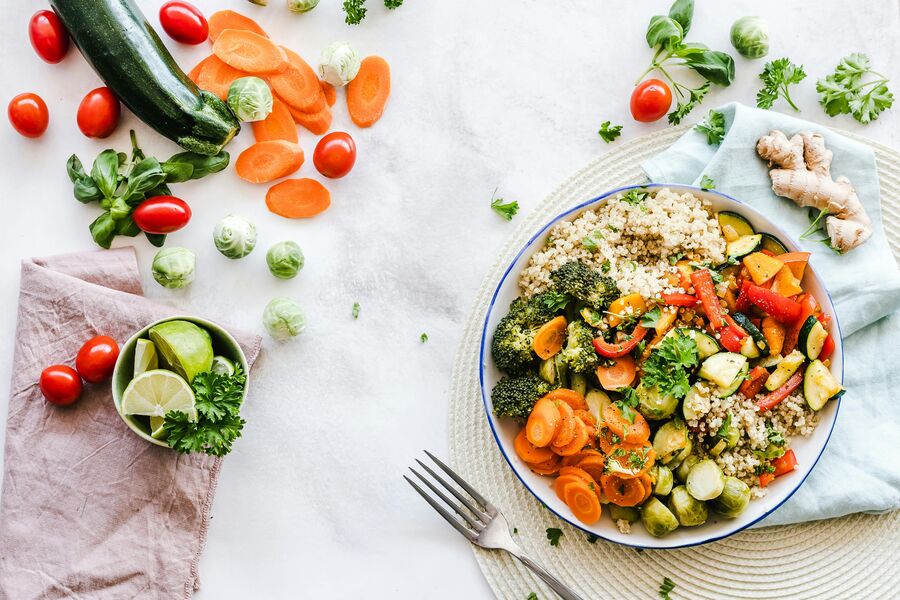 Every season correlates with specific foods which, according to CCM, are able to coordinate with human health. Seasonal eating has been linked to more nutrient rich foods and even enhancement of the circadian rhythm which regulates sleep. Some foods to consider during the fall season are mentioned above. In addition, try these recipes which could help start a seasonal eating pathway toward lung and large intestine enhancement as well as metal phase rejuvenation.
Roasted Vegetables and Quinoa
This recipe is simple to make, easy on digestion, tracks on the ‘anti-inflammatory diet’, increases collagen production which is good for joints and bones, and correlates with fall seasonal eating choices. A win-win all around!
Ingredients:
1 acorn squash, chopped
2-3 Parsnips, chopped
1 1/2 cup quinoa, rinsed
3 cups bone broth
2 garlic cloves
1/2 teaspoon salt
1/4 teaspoon pepper
2 tbs olive oil
Directions:
Place vegetables and garlic in an ungreased 15x10x1-in. baking pan. Drizzle with 2 tablespoons oil; sprinkle with salt and pepper. Bake, uncovered, at 425° for 35-40 minutes or until tender, stirring once.
Meanwhile, in a large saucepan, bring broth to a boil. Add quinoa. Reduce heat; cover and simmer for 12-15 minutes or until liquid is absorbed. Remove from the heat; fluff with a fork.
Transfer vegetables and quinoa to a large bowl. Sprinkle with herbs and toss to combine.
*Recipe courtesy of Comox Valley
Golden Milk
This non-dairy beverage aka elixir is a staple in naturopathic circles. It incorporates ingredients that not only align with CCM autumn choices but it is highly beneficial when it comes to boosting the immune system, enhancing digestion and reducing inflammation. Another winning recipe for higher vibrational eating.
Ingredients:
1 cup unsweetened almond milk (or any milk of your choice)
1 teaspoon ground turmeric
1/2 teaspoon ground cinnamon
1/4 teaspoon ground ginger
1/8 teaspoon ground cardamom
1 pinch ground black pepper
1 teaspoon coconut oil or ghee (optional, for added creaminess)
1 teaspoon adaptogenic herb blend (e.g., ashwagandha, reishi, or maca)
1 teaspoon honey or maple syrup (adjust to taste)
In a small saucepan, gently warm the almond milk over medium-low heat. Be careful not to boil the milk; you want it warm but not scalding.
In a small saucepan, warm the almond milk over medium-low heat.
Whisk in the ground turmeric, cinnamon, ginger, cardamom, black pepper, and adaptogenic blend. If desired, stir in the coconut oil or ghee for added creaminess.
Add honey or maple syrup to sweeten the golden milk to your preference. Adjust the amount according to how sweet you like it. Pour into your favorite mug and joy!
*Recipe courtesy of Liminal
News & Noteworthy
Reverse Course
Safely walking backwards on a regular basis may help various physical challenges such as knee and back pain. In a 6-week study posted by PubMed and published in BioMed Central, an open-access publisher of peer-reviewed scientific journals, backwards walking technically coined as ‘retro-walking’, concluded that:
“The 6-week retro walking program compared with forward walking or control groups resulted in greater reduction in pain and functional disability and improved quadriceps muscle strength and performance in individuals with knee OA [osteoarthritis].”
Acupuncture Evidence Map
A new 2025 study published by Frontiers in Medicine formulated an acupuncture evidence map described as, “This evidence map aimed to identify, describe, and summarize the current available evidence about acupuncture interventions on musculoskeletal pain.”. The conclusion of the study stated:
“This evidence map showed that acupuncture has beneficial effects on musculoskeletal pain, especially for major musculoskeletal disorders.”
At Integrative Med Solutions, we will design a fall season health treatment program that works for you. In many cases, insurance covers portions of the treatment. Allow us to support you to achieve optimal health. To make an appointment or find out more about how acupuncture and naturopathic medicine can benefit you, please call our office at 914-337-2980 or Click Here to schedule an online appointment.
*Please Click Here to see a current list of insurance companies that commonly carry acupuncture benefits for its members. For more info, please call 914-337-2980 or securely email us at info@intmedsolutions.com.
Best in health from Integrative Med Solutions.
Sources:
https://orientalmed.ac.uk/the-five-personality-types-by-galit-hughes/
https://onlinelibrary.wiley.com/doi/pdf/10.1002/nur.22284
https://www.frontiersin.org/journals/allergy/articles/10.3389/falgy.2025.1600032/full
https://pubmed.ncbi.nlm.nih.gov/30967128/
https://www.frontiersin.org/journals/medicine/articles/10.3389/fmed.2025.1575226/full