

Acupuncture and Classical Chinese Medicine: Winter Newsletter 2024
“It is the concentrated, internal force of winter
that enables a seed to burst forth in spring growth.”
~ Thich Nhat Hanh
Once again winter arrives, encouraging energy conservation and energy storage for optimal health benefits. In colder climates like the northeast, the urge to “hunker down” can be felt in the air. This is a telltale sign of how nature taps into the innate sense of calm the body yearns to utilize. This includes: inward reflection, mind replenishment, body regeneration, and spiritual renewal. Some refer to winter as an opportunity for ‘human hibernation’ which may give permission to those that want to embody tranquility but remain on a continually moving pace. A continually moving pace, especially during this season, can tax the system on deeper levels which may result in health compromises down the line. Learn how to calm the system in this issue of the Integrative Med Solutions Winter Newsletter 2024. Here we begin to explore some of the ways Classical Chinese Medicine (CCM) can offer a unique navigation to approach winter and take advantage of optimal health results. At IMS, applying the philosophies of CCM during the winter season include the use of: naturopathic medicines, nutritional counseling, and individualized acupuncture sessions according to the presentation of each distinct, personal symptom(s) and/or specific health constitution(s).
Encompass all there is to gain from this winter season through the healing applications of Integrative Med Solutions, along with some tasty seasonally appropriate recipes and other useful tidbits.
The Kidney Factor
During winter, the kidney is more active than other seasons. It is a yin organ (the yang organ of this season is the urinary bladder) therefore it is the governing, associated organ of winter. In CCM the kidney is a very unique bodily tissue as it holds the essential life force called, Jing. Jing is described as the element which is transferred to each person, through their mother and father, at the moment of conception. It is the source of the yin and yang which are the essential layers out of which all bodily constituents and procedures arise. So, the kidney element is a pretty big deal and during the winter season it needs to be treated as such. Throughout winter the yin energy dominates yang energy so it is recommended not to overuse yang as this will deplete the essential yin that is needed to maintain optimal kidney health. Some lifestyle recommendations to practice kidney strengthening during winter include:
- Go to bed early and wake up early
- Subdue cravings and other desires
- Maintain quiet, mental activity
- Avoid the cold
- Stay warm (wear socks to bed!)
- Avoid activities that create excessive sweat
- Reduce physical and mental overuse to reserve energy
- Be more reflective of the big picture
- Practice a positive embrace of all surroundings rather than a continued negative resistance
It is essential to focus on the kidney this winter because when Jing is depleted it is not replenishable. When it is used up, the living force will die. Overworking, poor diet and excessive stress all contribute to this depletion and should be avoided at all costs. At IMS, we can formulate a personal protocol to assist in increasing kidney strength and enhancing overall life force constitution.
Staying Vigilant
As the cold weather ensues, people gather in close indoor groups which is always a potent breeding ground for germs to be shared. Therefore, it is essential to stay vigilant by remaining on top of good health, namely by boosting the immune system. These are some simple ways to do just that along with some science to back them up.
Lemon and Ginger Herbal Infusion: Cancer Fighter, Weight Loss Helper
Each morning, before anything else is consumed, a lemon and ginger herbal infusion may help not only stave off illness but could be an excellent anti-cancer remedy. According to a study of the lemon and ginger herbal infusion, published in Frontiers in Nutrition as posted by the NIH (National Institutes of Health), it was concluded that,
“Lemon and ginger herbal combination is a healthy drink with anticancer and immunomodulatory [alter the immune system] health benefits. Its anticancer effect is mediated by apoptosis [cell death] induction and angiogenesis [new blood vessel formation] inhibition. The immunomodulatory effect is mediated through the activation of the innate immune system. The health benefits of this herbal drink are mainly due to the presence of biologically active phytochemicals in ginger and lemon.”
Plus, this drink may help with weight loss. A study published in The Journal of Clinical Biochemistry and Nutrition found that,
“In conclusion, we suggest in the present study that the supplementation with lemon polyphenols suppressed body weight gain and body fat accumulation…”
Add in ginger and a study published in the journal Foods reported,
“In conclusion, ginger water has a lowering body weight gain effect. It seems to show such activities by regulating the lipid metabolism through stimulation of lipolytic pathways and downregulation of lipogenic pathways. Additionally, ginger water may be helpful in insulin sensitization and facilitating glucose transportation to liver cells as well as improving glucose metabolism. Moreover, ginger water could have nutraceutical potential for controlling body weight, preventing obesity and obesity-associated diseases through its incorporation as food flavor, and in dietary supplements, especially for those going on a diet to lower body weight gain.”
Squeeze one whole lemon into a glass (use a lemon squeezer that removes the seeds), shave in some fresh ginger using a grater (about a half or a whole teaspoon) add about half water and slowly sip. Some like to put raw honey to ease the spiciness of the ginger.
Acupuncture for Cold Hands and Feet
Winter can slow down the circulation and sometimes result in cold hands and feet. Acupuncture may be an excellent application to relieve this. At IMS, licensed acupuncturist Dr. Fred Lisanti develops a personalized acupuncture protocol which may increase circulation. This could enhance appendage temperature but could also improve systemic oxygenation and nutritional advancement as well. A study of acupuncture for cold hands and feet was published in the journal PLOS ONE and posted by the NIH concluding that,
“This study demonstrated that EA [electroacupuncture] and AC [acupuncture] are effective in alleviating the symptoms of CHHF [cold hypersensitivity in the hands and feet] and enhancing the quality of life compared to no treatment. EA showed long-lasting effects than those of AC, suggesting its potential to regulate the autonomic nervous system. These findings provide a foundation for expanding non-pharmacological treatment options for CHHF and offer clinical guidance on the use of EA and AC.”
Black Elderberry for Respiratory Health
Cold winter days and relentless winter wind can sometimes permeate the healthiest system (particularly through the ‘wind point’ behind the neck, so wear a scarf!). This can sometimes result in respiratory distress (i.e. bronchitis, pneumonia, sinusitis, allergic rhinitis, etc.). Acupuncture has been shown to significantly reduce beginning symptoms and allow the system to get back to optimal health. However, adding black elderberry may also help. Although large studies are not readily available on this, one small meta-analysis study published in Complimentary Therapies in Medicine as posted by the NIH reported that,
“This analysis included a total of 180 participants and evaluates moderators such as vaccination status and cause of the upper respiratory symptoms. Supplementation with [black] elderberry was found to substantially reduce upper respiratory symptoms.”
 Winter Food Fixes
As with all seasons, during winter the body benefits from consuming specific food nutrients. These foods correlate with the associated organs (kidney, urinary bladder) enabling the body to work at optimum performance. Plus, it assists the body in storage and conservation which will be successfully drawn upon throughout the spring and summer. Optimal winter foods include:
- Egg whites – Kidney friendly protein
- Warming spices – Garlic, ginger
- Seaweed – Dried or raw
- Dark berries – Blueberry, blackberry, blueberries, elderberries
- Legumes – Black, kidney, adzuki
- DGLVs – Kale, spinach, broccoli, collard
- Root vegetables – Squash, potatoes
- Adaptogenic herbs – Ashwagandha, ginseng, astragalus
Combining all these foods into various recipes may seem hopeful for health but ancient observational reports confirm seasonal eating. As posted by the Pacific College of Health and Science, according to writings by the ancient healers Huang Di, known as the Yellow Emperor and Qi Bo, the physician:
“It was Huang Di and Qi Bo who first pointed out in this text, “In the old days the sages treated disease by preventing illness before it began, just as a good government or emperor was able to take the necessary steps to avert war….If someone digs a well only when thirsty, or forges weapons only after becoming engaged in battle, one cannot help but ask: Aren’t these actions too late?” By making the appropriate dietary and lifestyle changes advised according to the seasons, it’s possible to prevent illness.”
Try these seasonal appropriate recipes as a jumping off point toward optimal dietary choices during these winter months. Then come up with some of your own!
Butternut Miso Soup
Ingredients:
1 cup Yellow Split Peas
6 cups veg. broth
1 piece Kombu, about 5″, soaked
1/2 onion, sliced
2 carrots, chopped
1 butternut squash (pureed or diced)
2 tsp. white miso paste
1 can of coconut milk
Toppings: parsley, black pepper black sesame
Preheat the oven to 400 degrees. Cut the squash lengthwise, and place upside down in a baking dish, add 1″ of water, and bake for 45 minutes, or until soft. Allow to cool, remove the seeds, and scoop the flesh into a food processor, and blend until smooth. Meanwhile, rinse the peas, place them into a pot with soaked kombu and broth, bring this to a boil, and reduce to a simmer. Cook for 30 minutes. Add more broth or water as needed. Add onion, carrots, and squash puree. Simmer veggies until tender. Spoon out some of the broth into a cup, stir in the miso, dissolve for five minutes, and add back into the pot. Season with salt to taste. Using an immersion blender, blend until smooth. Drizzle with ample coconut milk. Serve warm, topped with black pepper, black sesame, and minced parsley.
*Recipe courtesy of: Food & Wine
Restorative Ginger and Turmeric Noodle Soup
Ingredients:
Ginger and Turmeric Curry Paste
4 medium garlic cloves, roughly chopped
5 medium shallots, roughly sliced
1 (3-inch) piece fresh ginger, peeled and roughly sliced (about 1 1/4 ounces)
3 serrano chiles, stems removed, roughly sliced
2 teaspoons fresh lime juice
2 teaspoons ground cumin
2 teaspoons ground turmeric
1 teaspoon ground coriander
1/4 cup good-quality coconut oil
Garlic Oil
1/4 cup olive oil
1 large garlic clove, very thinly sliced
Soup
1 tablespoon olive oil
4 cups vegetable stock (such as Swanson)
1 (13.5-ounce) can coconut milk
10 ounces uncooked udon noodles
1 1/2 teaspoons fine sea salt, plus more for boiling noodles
1 (5-ounce) bunch Swiss chard, stems removed, roughly chopped
2 scallions, finely chopped
1 cup fresh cilantro leaves
1 lime, quartered, for serving
Directions:
Make the ginger and turmeric curry paste
Combine garlic, shallots, ginger, chiles, lime juice, cumin, turmeric, and coriander in a blender or food processor, and pulse until ingredients are finely chopped. Add coconut oil and pulse until ingredients form a smooth paste. (Keep any unused paste in an airtight container in refrigerator up to 7 days, or freeze in an airtight container.)
Garlic Oil
Heat olive oil in a small saucepan over medium-high. Add the garlic slices and cook until sizzling, 30 to 40 seconds. As soon as you see any sign of browning, remove from heat immediately, as the garlic will continue to cook and turn completely golden in the hot oil.
Soup
Heat a deep, high-sided skillet over medium-high and drizzle with olive oil. Add 1/2 cup ginger-turmeric curry paste. Reduce heat to low and cook, stirring constantly, until aromatic, 2 to 3 minutes. Stir in vegetable stock and coconut milk. Let simmer 6 to 8 minutes to allow the flavors to meld. Meanwhile, bring a large pot of salted water to a boil and add noodles. Cook according to package directions for al dente. As soon as the noodles are al dente, drain and rinse under cold running water. Divide noodles evenly among 4 serving bowls.
Season broth with salt. Turn off heat and stir in chard. To serve, ladle broth mixture over the noodles. Top with scallions and cilantro; drizzle with garlic oil. Serve with lime wedges.
*Recipe courtesy of: Food & Wine
News & Noteworthy
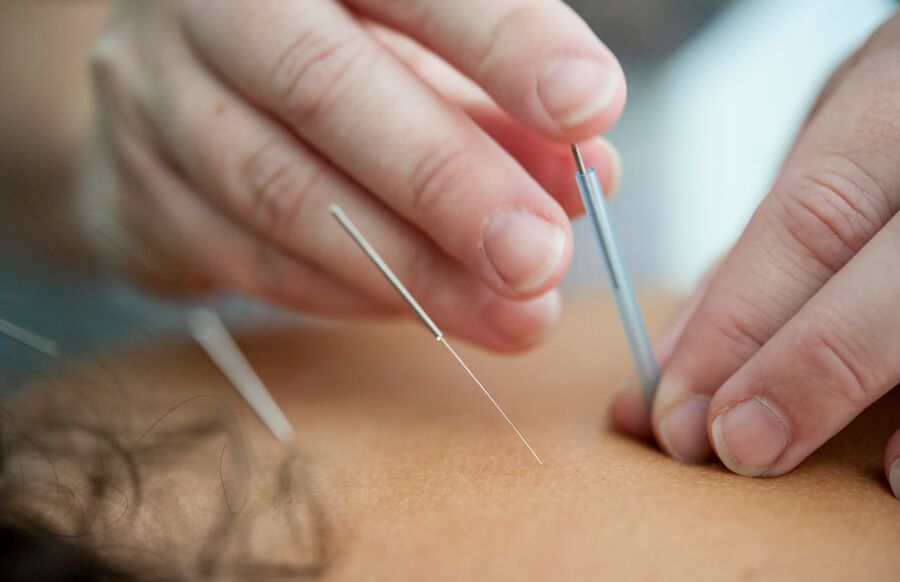 Acupuncture for Chronic Neck Pain
Sometimes, neck pain can be, well, a real pain in the neck. Many people get neck pain but when it is chronic acupuncture may help relieve symptoms. Published in the Annals of Internal Medicine, one study of a randomized controlled trial concluded that,
“Individualized acupuncture interventions using high- or low-sensitivity acupuncture points were more effective in reducing CNP [chronic neck pain] than SA [sham acupuncture] and WL [waiting list] control groups sustained through 24 weeks…”
Flavonoids Fight Fatty Food Stress
A study published in the journal Food & Function by researchers from the School of Sport, Exercise and Rehabilitation Sciences, University of Birmingham, UK showed the potential of the fat fighting protective effects when consuming green tea, cacao and berries. It was concluded that,
“In summary, this study demonstrates that flavonoid-rich [substances found in edible plants] foods have the potential to acutely protect endothelial function against poor food choices, such as high-fat snacks, during episodes of stress in young healthy adults.”
The conclusion continues:
“This work has relevance for application in everyday diet, as the administered dose of flavanols could be achieved through consumption of, for instance, 2 cups of green tea, 5.5 tbsp of unprocessed cocoa or 300 g of berries. As such, our data have important implications for future acute dietary recommendations to protect the vasculature during stressful periods.”
At Integrative Med Solutions, we will design a winter health and acupuncture treatment program that works for you. In many cases, insurance covers portions of the treatment. Allow us to support you to achieve optimal health. To make an appointment or find out more about how acupuncture and naturopathic medicine can benefit you, please call our office at 914-337-2980 or Click Here to schedule an online appointment.
*Please Click Here to see a current list of insurance companies that commonly carry acupuncture benefits for its members. For more info, please call 914-337-2980 or securely email us at info@intmedsolutions.com.
Best in health from Integrative Med Solutions.
Sources:
https://www.pacificcollege.edu/news/blog/2015/04/21/seasons-greetings-the-chinese-medicine-way
https://pmc.ncbi.nlm.nih.gov/articles/PMC9043650/
https://pmc.ncbi.nlm.nih.gov/articles/PMC11559979/
https://pubmed.ncbi.nlm.nih.gov/30670267/
https://www.acpjournals.org/doi/10.7326/M23-2425
https://pubs.rsc.org/en/content/articlelanding/2024/fo/d4fo03834g