

Acupuncture Helps Relieve Constipation
Constipation can be very uncomfortable, sometimes painful, and in rare cases in need of emergency medical intervention. It is a condition that can affect just about any person at any age and may even be a chronic struggle for some. Depending on the cause, such as specific health conditions, pharmaceutical medicines, dehydration, poor diet, or various vitamin, mineral or herbal supplementations, it has been found that acupuncture helps relieve constipation.
Utilizing this ancient modality which has been embraced by doctors and hospitals across the globe, could be the best application whether constipation is in an acute or chronic stage.
Learn how acupuncture approaches constipation relief and if it may be worth a try.
Know Your Constipation
Constipation is defined as having fewer than three bowel movements per week or infrequent and difficult attempts to pass stool for several weeks or longer.
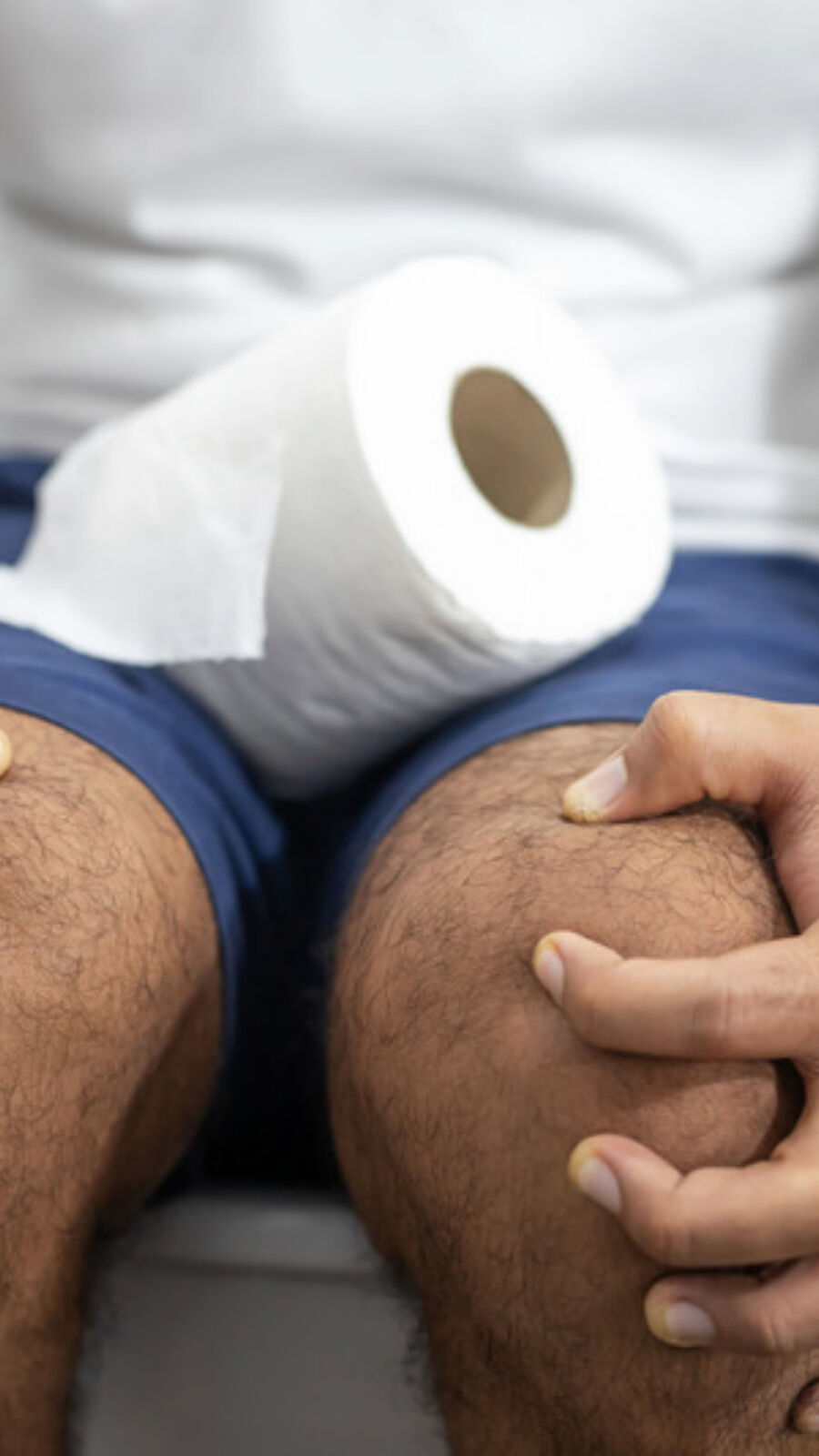 According to the Mayo Clinic (1) signs and symptoms of constipation also include:
- Having lumpy or hard stools
- Straining to have bowel movements
- Feeling as though there’s a blockage that prevents bowel movements
- Feeling as though you can’t completely empty
Know your body and all the clues it works hard at giving you. Don’t let constipation slow you down when acupuncture just may set you, and keep you, optimally moving along.
Following CCM
Classical Chinese Medicine (CCM) approaches constipation from not only a physical condition but also a mental condition as well. So many people are confronted by all sorts of daily challenges that it is not uncommon to accumulate ‘mental garbage’ capable of clogging the mind. In turn, what is known as the ‘gut-brain’ axis can be disrupted causing physical blockage. CCM considers constipation associated with energy compromises of various related organ meridians (pathways) as well as yin/yang weakness.
Some CCM considerations when constipation presents include:
Liver – The liver is in charge of healthy energy flow and is vulnerable to intestinal blockage. It is particularly affected, presenting as constipation, due to emotional stress associated with anger, resentment and fear. In addition, woman can become constipated during their menstrual cycle which can stagnate liver energy.
Yin deficiency – Yin and yang are associated with water and fire. When in optimal health this relationship remains balanced (similar to the popular yin/yang symbol of intertwined white and black, with a black dot in the white and white dot in the black). However, if too much heat (yang-fire) is created, often due to excessive lifestyle, the water (yin) can diminish. This can cause dryness which may lead to constipation. In fact, simply drinking fluids may not help as water metabolism is damaged and simply drinking water may cause bloating, sluggishness, and discomfort. Acupuncture, along with specific CCM herbs, may help.
A study posted by the National Library of Medicine (2) reported on the ‘Efficacy of acupuncture for chronic constipation: a systematic review’ which stated,
In conclusion, acupuncture for chronic functional constipation is safe and may improve weekly spontaneous bowel movements, quality of life, and relevant symptoms.”
Yang deficiency – This, of course, is the opposite of a yin deficiency where there is too little fire which could compromise the ability to evacuate waste efficiently.
An acupuncturist trained in Classical Chinese Medicine can look for these and many other clues which present along what is called the generational cycle. Once a direct link is made, then specific meridians for constipation can be addressed.
The Right Points
The correct point application according to telltale presentations of specific associations such as liver, yin or yang deficiency is paramount. Understanding these points takes years of study but when an acupuncturist has optimal experience the results can be impressive. These are some of the points that may be addressed to give an idea of what to expect when being treated for constipation.
Liver deficiency:
One of the best ways to address liver stagnation that may be linked to constipation is to follow what is known as ‘The Four Gates’. This is addressing two specific points, bilaterally, that balance stagnant qi (“chee” – life force energy) in the center of the body to move it outward to the extremities. The points are:
- Large Intestine 4 – Top “fleshy” part of the hand between the thumb and index finger.
- Liver 3 – Top of the foot between the big toe and the adjacent toe.
Yin deficiency:
Spleen 6 – Inside the lower leg slightly above the ankle.
- Kidney 3 – Inside foot just behind the ankle bone.
- Kidney 6 – Inside foot just above the ankle bone.
- Bladder 23 – Lower back just along the second lumbar vertebrae.
- Bladder 25 – About a few two or three finger widths below BL23.
Yang deficiency:
- Conception/RenVessel 8 – Middle of the abdomen.
- Stomach 36 – On the shin just below the outside knee,
- Governing/Du Vessel 4 – Lower back below second vertebrae.
- BL23 – Lower back just along the second lumbar vertebrae.
- BL25 – About a few two or three finger widths below BL23.
Constipation is yet another clue the body is presenting to be addressed. Rather than reject this uncomfortable condition by succumbing to temporary conventional fixes, why not address it as an opportunity to rebalance and recharge, with acupuncture. At Integrative Med Solutions, we will design an acupuncture program that works for you. In many cases, insurance covers portions of the treatment. Allow us to support you to achieve optimal health. To make an appointment or find out more about how acupuncture and naturopathic medicine can benefit you, please call our office at 914-337-2980 or Click Here to schedule an online appointment.
*Please Click Here to see a current list of insurance companies that commonly carry acupuncture benefits for its members. For more info, please call 914-337-2980 or securely email us at info@intmedsolutions.com.
Best in health from Integrative Med Solutions.
Sources:
https://www.mayoclinic.org/diseases-conditions/constipation/symptoms-causes/syc-20354253
https://pubmed.ncbi.nlm.nih.gov/23895148/